Jax Probable Cause Defense
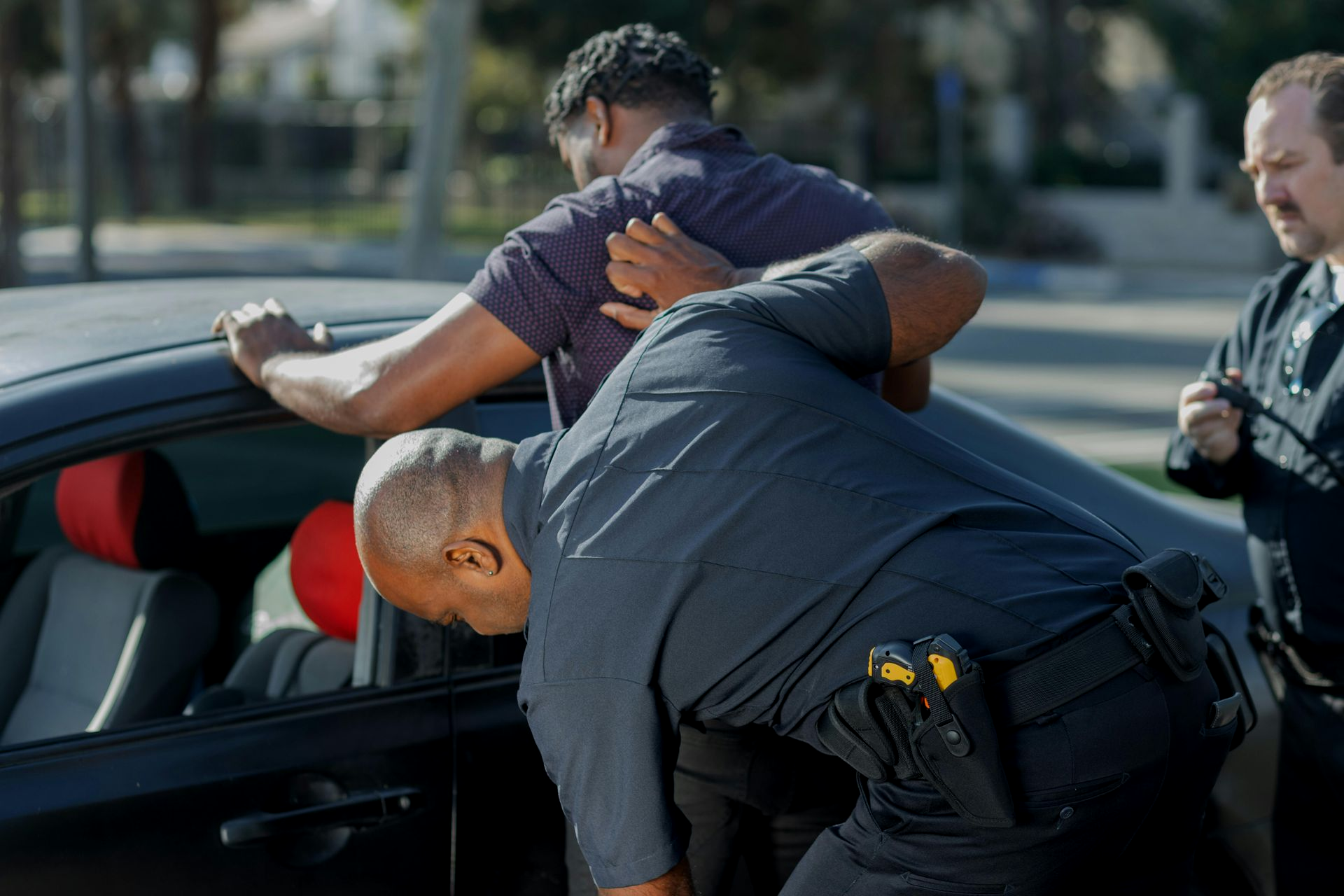
In legal terms, probable cause is the "tipping point" where a police officer’s observation moves from a mere hunch to a solid legal justification for a search or an arrest.
Under the Fourth Amendment and Florida law, it exists when the "totality of the circumstances" would lead a reasonable person to believe that a crime has been committed (for an arrest) or that evidence is present (for a search).
Here are the specific attributes that contribute to establishing probable cause, broken down by how an officer "gathers" them:
1. Sensory Observations (The "Plains")
Officers use their five senses to gather immediate evidence. In Florida, these are often the most common attributes:
- Plain View: If an officer sees contraband (like a baggie of white powder or a weapon) in "plain sight" during a lawful stop, that is immediate probable cause.
- Plain Smell: Traditionally, the smell of burnt marijuana or alcohol has been a strong attribute.
- Note for Florida: With the legalization of medical marijuana and hemp, the "smell alone" rule is currently a complex legal area. However, the smell of alcohol remains a primary attribute for DUI probable cause.
- Plain Feel: During a legal "pat-down" (Terry Stop) for weapons, if an officer feels something they immediately recognize as contraband (like a pill bottle or a pipe), it can establish probable cause.
2. Behavioral Attributes
A suspect's actions at the scene are critical "totality" factors:
- Erratic Driving: Swerving, straddling lanes, or near-misses are attributes for DUI probable cause.
- Furtive Movements: If a driver reaches under the seat or into the glovebox quickly as an officer approaches, this "hiding behavior" contributes to the belief that a crime is occurring.
- Physical Signs of Impairment: Slurred speech, bloodshot eyes, and poor performance on Field Sobriety Tests (FSTs).
- Evasive Answers or Conflicting Stories: While you have the right to remain silent, giving two completely different stories about where you are going can contribute to a "reasonable belief" of criminal activity.
3. Officer Training and Expertise
What looks innocent to a civilian might be probable cause to a trained officer.
- Experience: An officer who has worked 500 drug cases may recognize "pay-and-owe" sheets or specific types of packaging that an average person wouldn't.
- Gang/Drug Intel: Knowledge of specific hand signals, "stash" locations in certain car models, or high-crime "hot spots" can bolster their argument.
4. Information from Third Parties
- Reliable Witnesses: A direct statement from a victim or a known, reliable witness.
- Corroborated Anonymous Tips: An anonymous call isn't enough on its own, but if the caller describes a car, a location, and a specific crime, and the officer arrives to see those exact details, probable cause is strengthened.
- K-9 Alerts: In Florida, a "hit" or "alert" from a drug-sniffing dog during a walk-around of a vehicle is a well-established attribute for a full search.
The "Totality of the Circumstances"
It is rarely just one of these things. Usually, it is a combination.
Example: An officer stops you for speeding (Reasonable Suspicion). While talking to you, they smell alcohol (Attribute 1), notice your speech is slurred (Attribute 2), and see an open container in the cup holder (Attribute 3).
Individually, speeding isn't enough to search your car. But the totality of these factors establishes probable cause for a DUI arrest.